What are your inclement weather policies?
Boneshaker Adventures’ mountain bike programs take place exclusively outside, so we must be prepared for a variety of weather conditions. Watching the weather will be part of our daily routine. Please make sure to wear clothing that allows you to maintain a comfortable body temperature and are prepared for fluctuations of heat and cold. Make sure you also have adequate hydration and sunscreen available.
SEVERE WEATHER
Boneshaker Adventures will cancel or reschedule programs during periods of heavy wind, rain, snow, or lightening, regardless of the “feels like” temperature.
TEMPERATURE GUIDELINES FOR YOUTH PROGRAMS
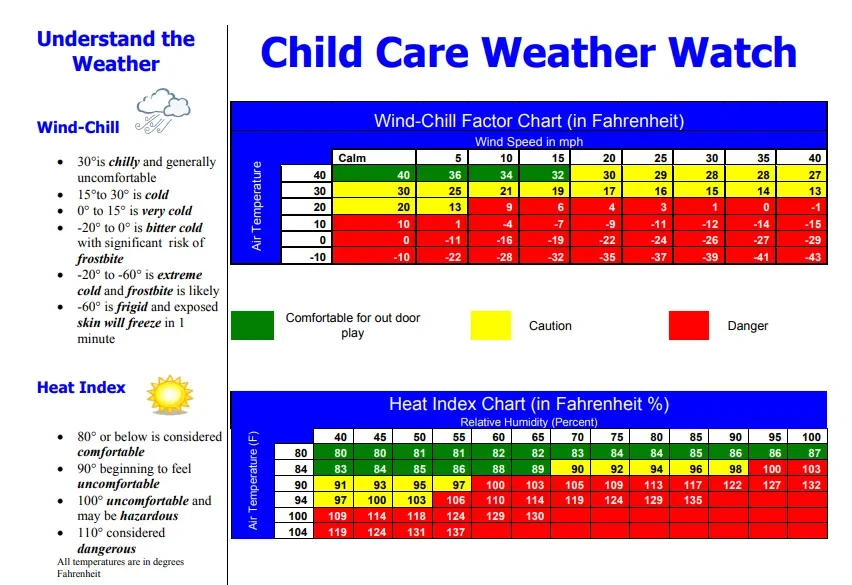
Families should be prepared for their students to be outside when the "feels like" temperature is above 35°F or 95°F or below.
This policy uses the "Child Care Weather Watch" guidelines to ensure the safety and health of children during outdoor activities. The "feels like" temperature, which factors in both air temperature and wind chill or heat index, is the primary guide.
Condition GREEN - Children may play outdoors and be comfortable. Watch for signs of children becoming uncomfortable while playing. Use precautions regarding clothing, sunscreen, and beverages for all child age groups. Remind students to take breaks, hydrate, and reapply sunscreen.
Condition YELLOW - use caution and closely observe the children for signs of being too hot or cold while outdoors. Clothing, sunscreen, and beverages are important. Ensure students have adequate break times.
Condition RED - shorten time of physical exertion while outdoors. Provide ample break times. Seek shade if available. Make sure students are properly dressed and have plenty of fluids and sunscreen. Child care providers must be vigilant about maximum protection of children.
MUDDY TRAIL CONDITIONS
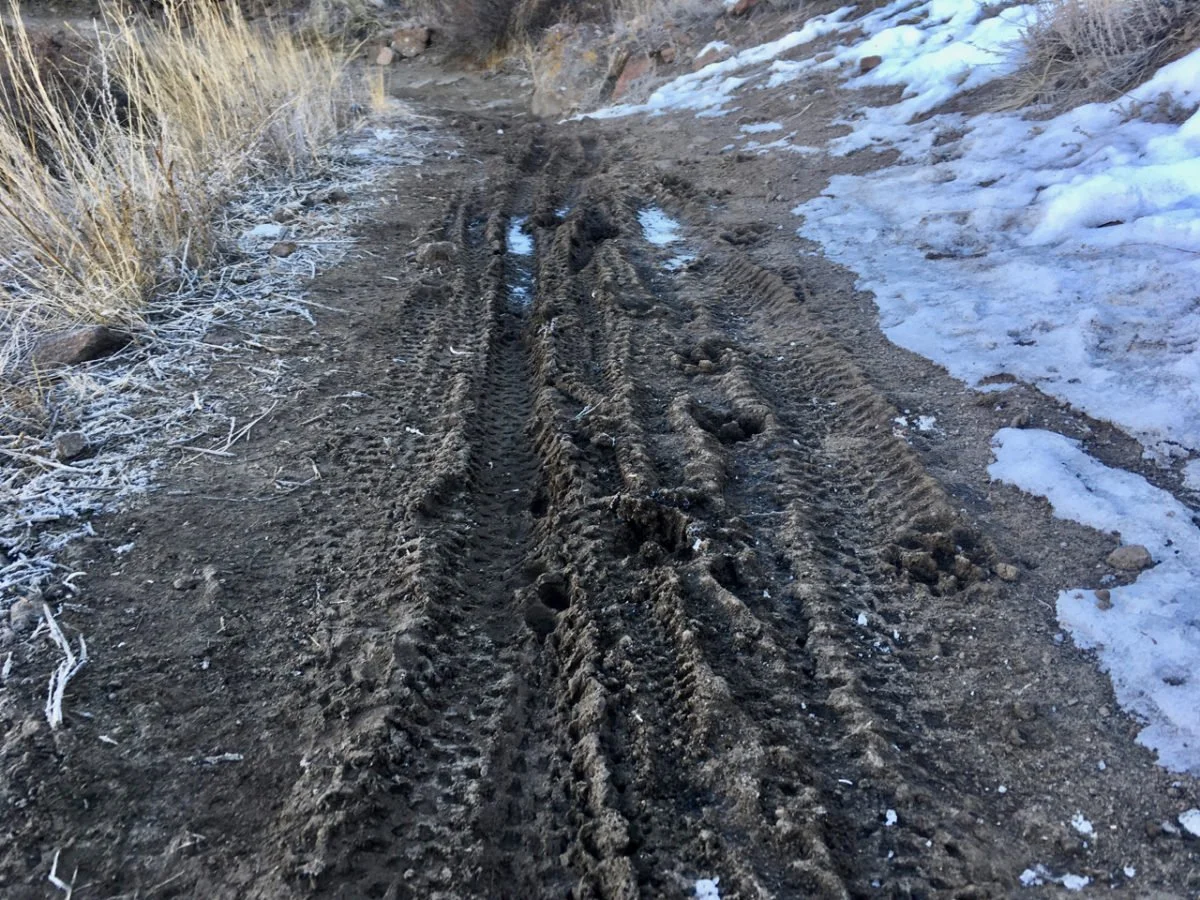
Based on Bureau of Land Management (BLM) directives to protect natural resources and act as good public land stewards, Boneshaker Adventures’ programs will be cancelled if trails are wet and muddy. A good reminder is “If we leave tracks, we will turn back.”
Specifically, the trails at the Lunch Loop system contain a high percentage of bentonite, a swelling clay that is used as a sealant in the construction of building foundations, an absorbent in drilling operations, and a clay binder used to create pottery, among other things. Bentonite becomes impervious when wet and adheres to everything it comes in contact with: tires, shoes, derailers... Mountain biking on muddy, bentonite trails creates devastating damage to trails and bikes.
Not riding on muddy trails prevents lasting damage and protects fragile ecosystems. The weight of a bike and rider can create deep ruts in soft soil, which harden when dry and leave the trail uneven and unsafe. These ruts also become channels for water, accelerating erosion. Riding around muddy sections widens the trail and tramples fragile vegetation, including soil-stabilizing cryptobiotic crusts.
AIR QUALITY
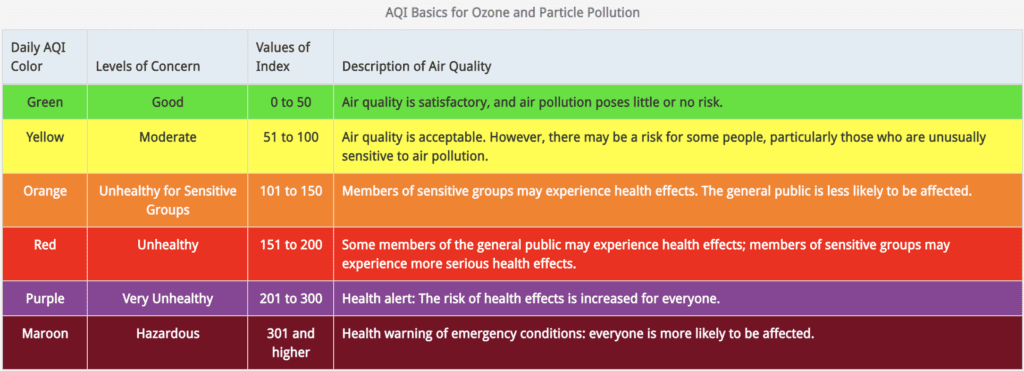
Boneshaker Adventures will use the Air Quality Index (AQI) guidelines to cancel or modify mountain bike programs during times of poor air quality.
FLOOD WATCH/FLOOD WARNINGS
If a flash flood warning is issued, we will immediately seek higher ground and never attempt to cross floodwaters. We will follow the suggestion from the National Weather Service’s phrase "Turn Around, Don't Drown" to emphasize this critical safety rule. We will not travel through floodwaters. A flash flood can be triggered by heavy rainfall that occurs many miles upstream, away from the current location. It does not need to be actively raining where we are for a flood wave to suddenly arrive. We will stay away from arroyos and streams, as they can become extremely dangerous and fill with water, mud, and debris. Boneshaker Adventures’ coaches will listen for nature's warnings: A sudden rise in water, a change from clear to muddy water, a pungent and unfamiliar smell, or a distant roaring sound can indicate an approaching flash flood.
Individual Needs: An individual's health, safety, and personal tolerance to weather may vary. This policy should be used as a general guide, and exceptions may be made in consultation with program leadership, parents, and healthcare providers.